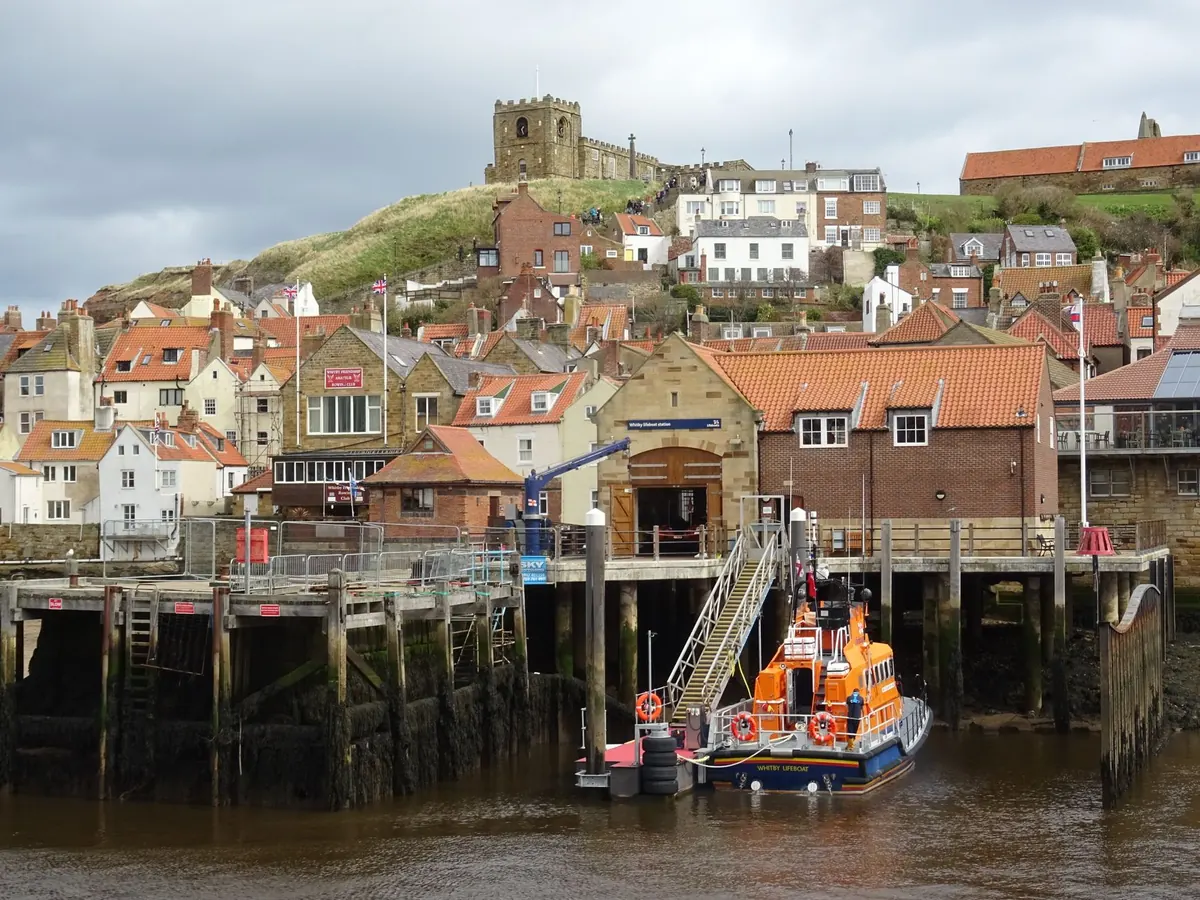
Choosing between Whitby, St Ives and Tenby is a bit like choosing between a pint of bitter, a glass of Cornish sparkling wine and a cup of Welsh brew. All three are brilliant in their own way, but they suit different moods, budgets and travel plans. One is moody and gothic, another is bathed in artistic light, and the third feels like a storybook town behind stone walls. Here’s how they compare on the things that matter most: atmosphere, beaches, food, getting there and the best time to visit.
Whitby wears its history on its sleeve. The ruined abbey on the cliff, the whalebone arch, the narrow cobbled lanes and the smell of the sea mixed with frying batter — it’s a town that feels dramatic even on a grey day. There’s a strong literary connection to Dracula, and the Goth Weekend crowd adds a distinctive edge. But it’s also a working harbour, so you’ll see fishing boats unloading alongside tourists eating ice cream.
St Ives is lighter, brighter and more polished. The light that attracted artists like Ben Nicholson and Barbara Hepworth still pulls in painters and photographers. The town is a maze of whitewashed cottages, tiny galleries and surf shops. In summer it buzzes; in winter it can feel almost deserted. It’s undeniably pretty, but also very popular, so expect crowds in July and August.
Tenby is the most traditional of the three. A walled town with pastel-coloured houses stacked above the harbour, it feels gentle and family-oriented. The Victorian architecture and the calm of the Pembrokeshire coast give it a slower pace. You won’t find the gothic drama of Whitby or the art-scene cool of St Ives, but you will find a warm welcome and plenty of space to breathe.
All three have excellent beaches, but they vary in character and accessibility.
Check tide times before you set out — all three have significant tidal ranges, and it’s easy to get cut off if you’re exploring coves or rock pools. Lifeguards patrol main beaches in summer, but not year-round.
Whitby is a seafood town first and foremost. Fish and chips are the obvious draw, but look beyond the queues: kippers from a smokehouse, crab sandwiches on the quayside, and fresh lobster when it’s in season. The pubs are proper locals’ pubs, many with sea views.
St Ives has a more cosmopolitan food scene. You’ll find excellent seafood, but also tapas, sourdough pizza and inventive small plates. The cream tea debate — jam first or cream first — is taken seriously in Cornwall. For a splurge, book ahead at one of the harbour-front restaurants.
Tenby leans into Welsh classics: Welsh cakes, laverbread, and excellent ice cream. The town has a good mix of casual cafés, traditional pubs and a few smarter restaurants. Seafood is local and well-prepared, though the scene is less flashy than St Ives.
Accessibility varies, especially for those with mobility issues or without a car.
If you have specific access needs, check local council websites or call ahead. None of these towns are perfectly step-free, but Tenby is generally the easiest for wheeled access.
Summer is peak season everywhere, but each town has its own rhythm.
Pick Whitby if you want history, drama and proper fish and chips. Pick St Ives if you want art, surf and a bit of polish. Pick Tenby if you want a classic family seaside break with walls, castles and space to roam.
Book accommodation early, especially for summer weekends and school holidays. If you’re driving, check parking options before you arrive — all three towns have limited spaces. Pack for all weather: a waterproof, layers and comfortable shoes for cobbles and hills. And always check tide times if you plan to walk the coast. Where health or mobility matters, speak to a professional or the local tourist information centre for the most up-to-date access advice.
Whichever you choose, you’ll find a proper British seaside break — just with a different accent.
Photo: Stanley James Adie / Pexels
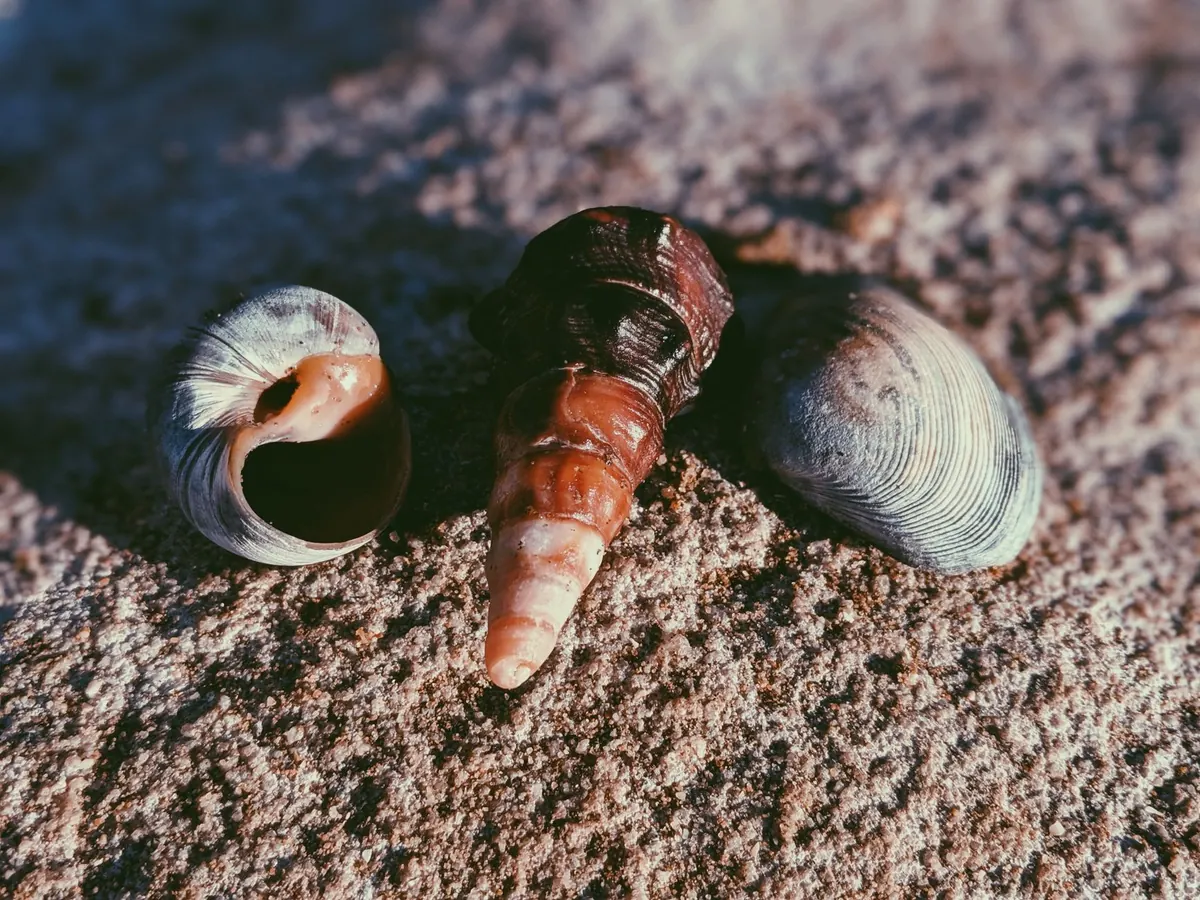
How to identify common British seashells, mermaid's purses and other beach finds — plus the simple rules that keep...

British seaside weather can deliver four seasons in one afternoon. Here is a flexible packing list covering layers,...

A month-by-month coastal gardening guide covering shelter, mulching, pruning and planting for colour, with practical...


Coastal living, nature, and seaside inspiration.
