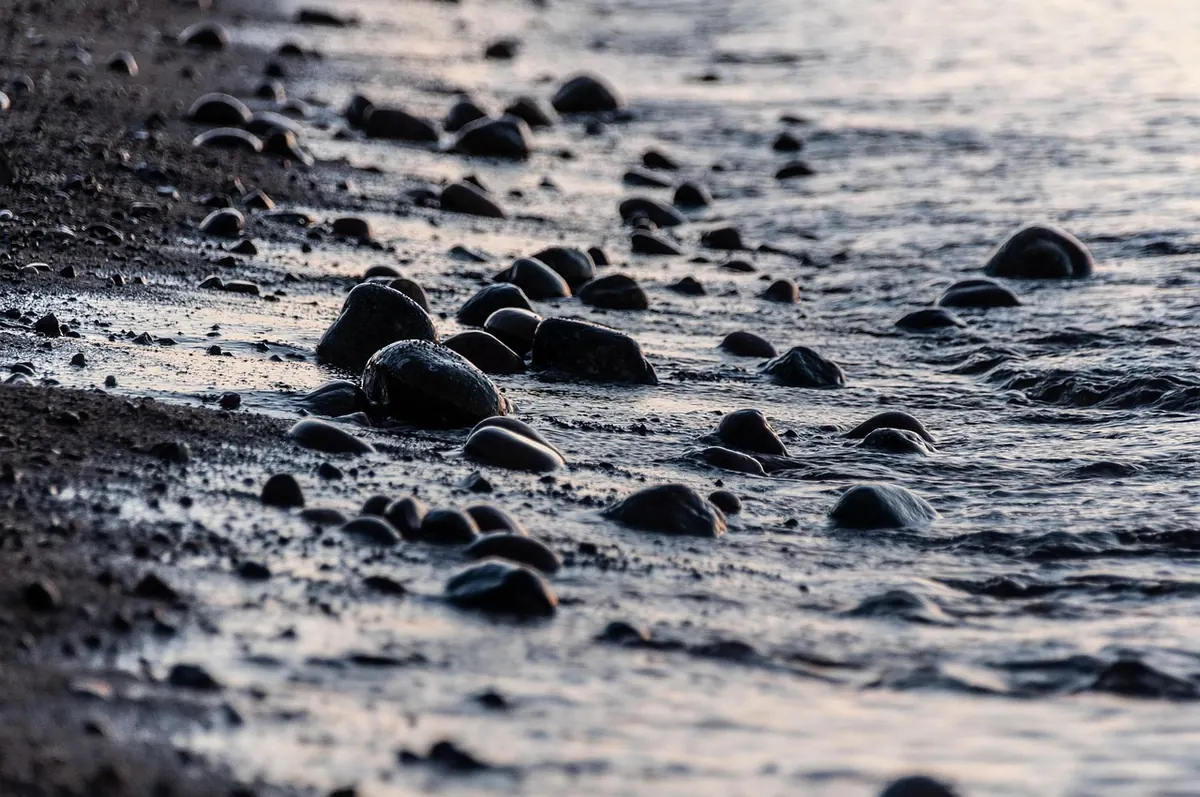
Pebble beaches look simple: stones, sea, sky. Then you spend twenty minutes hobbling to the waterline in flip-flops, your ankles ache, and your sandwich is full of grit. Shingle — the proper term for a beach made of pebbles — behaves nothing like sand. It shifts underfoot, it bakes in the sun, it shelves steeply into deep water, and it finds its way into every fold of a towel. None of which is a reason to stay away. Brighton, Chesil, Dungeness, the little coves of the Pembrokeshire coast: a pebble beach is often the best beach you'll find. You just need to know which mistakes to skip.
Flip-flops are the classic error. They offer no grip on a slope, no protection from a rolled ankle, and a pebble will flick up under the heel within the first fifty metres. Bare feet are fine at the waterline, where the stones are wet and packed tight, but the dry shingle higher up gets hot in summer and moves like ball bearings.
Two small habits make a difference. Keep your hands free — use a rucksack rather than carrier bags, so you can balance on loose ground. And bring spare socks and a plastic bag for the car. Even a short walk ends with grit in your shoes.
The second thing people get wrong is sitting. A picnic blanket on shingle is optimistic: the stones push through and the damp comes up from underneath. Take something with a waterproof backing — a sit mat, a folded tarpaulin, an old yoga mat — and put a towel on top.
Where you sit matters more than what you sit on. Stay clear of the base of cliffs and of steep shingle banks; both can shed stones without much warning. Pick a spot above the strandline of dried seaweed, which marks roughly where the last high tide reached. And if the tide is turning, don't settle just above the waterline with a book and a hopeful attitude. Shingle often slopes gently, so the sea can travel a long way in an hour.
Shingle beaches usually drop away quickly. That's why the swimming is often good, and why it deserves care. Within a few steps you can be out of your depth, so children need close watching and weaker swimmers should stay where they can comfortably stand.
Enter slowly. Cold water is a shock, and the first gasp can turn into fast, panicky breathing. Walk in feet first, let your body adjust, and don't dive into water you haven't checked — submerged rocks and old groyne stumps are easy to miss. On a rough day the backwash rolls pebbles up and down the slope, which can bruise an ankle, so keep beach shoes on if the waves are lively.
A few rules worth keeping:
If you have a heart condition or another health concern, speak to your GP before taking up cold-water swimming. That's sensible advice for any chilly sea, and no substitute for knowing your own limits.
Spend five minutes looking before you commit to a spot. The strandline shows how high the tide gets. Wet, dark patches reveal where the water has already been. Seaweed-covered stones are slippery in a way dry pebbles never are, so step on the dry ones where you can.
Shingle banks are steeper and looser than they look. Children love to dig into them; it's worth discouraging, because a bank can slump without warning and the stones are heavy. In spring and summer, many shingle beaches host ground-nesting birds — ringed plovers, oystercatchers, little terns — which lay eggs in shallow scrapes among the pebbles. Keep dogs on a lead near the top of the beach and give roped-off areas a wide berth.
Most people know to take litter home, but shingle beaches have their own etiquette.
It's a small set of habits, and they're the difference between a beach that still looks wild and one that has been slowly rearranged by its visitors.
Shoes with grip, a mat or a chair with a firm base, water, sun cream, a bin bag, spare socks, a towel, and the tide times saved on your phone. Tell someone your plan if you're swimming, and check the flags when you arrive.
Pebble beaches ask a little more of you than sand does. They give back in return: clear water, quiet coves, and that sound the stones make as the wave pulls away. Go prepared and you'll see why so many people wouldn't swap them for anything.
Photo: wal_172619_II / Pixabay
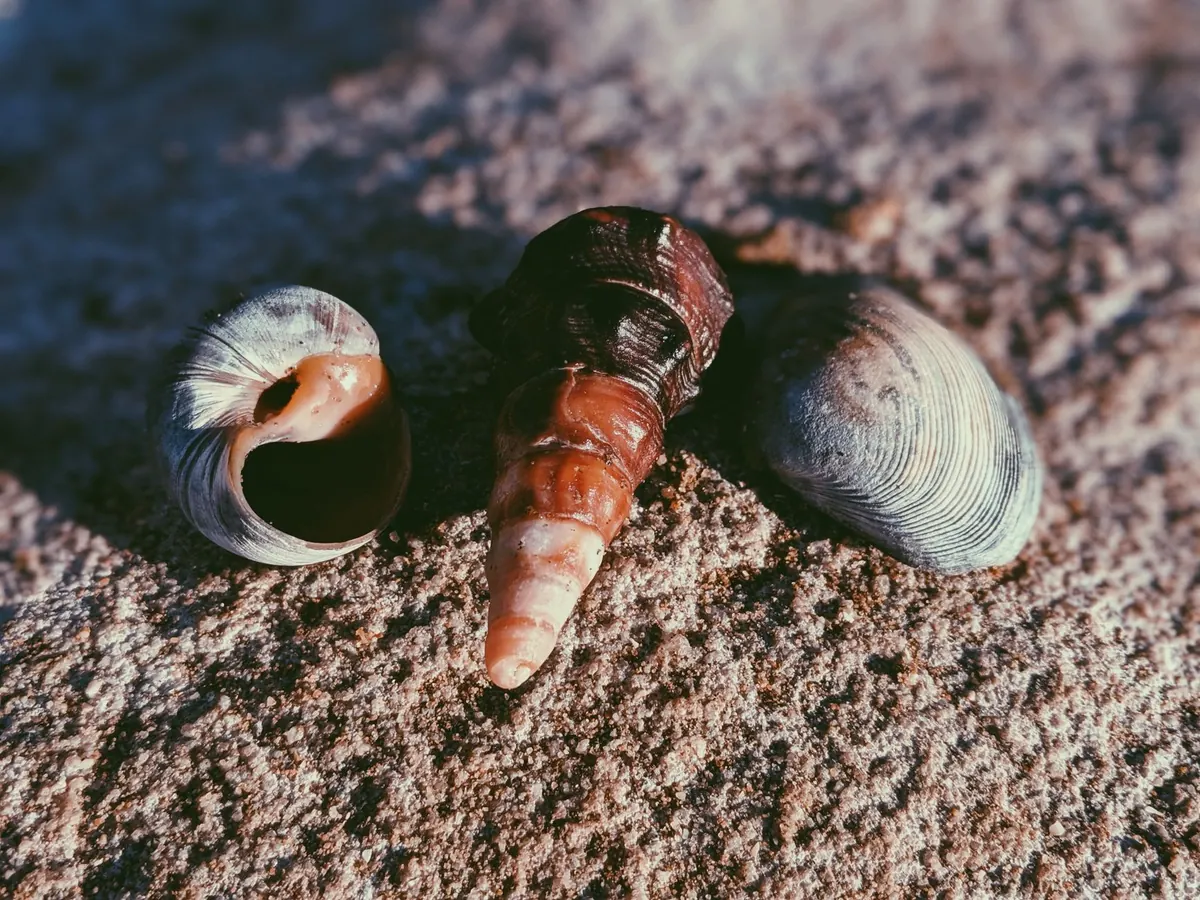
How to identify common British seashells, mermaid's purses and other beach finds — plus the simple rules that keep...

British seaside weather can deliver four seasons in one afternoon. Here is a flexible packing list covering layers,...
A month-by-month coastal gardening guide covering shelter, mulching, pruning and planting for colour, with practical...


Coastal living, nature, and seaside inspiration.
